A Point-of-Proof video is one designed to build credibility. Watch the video below the way a prospect would — no setup, no context beyond what’s on screen.
This is a Point-of-Proof video prototype built around a data observability use case. We made it to show how the format works — not as a client project.
What you just watched
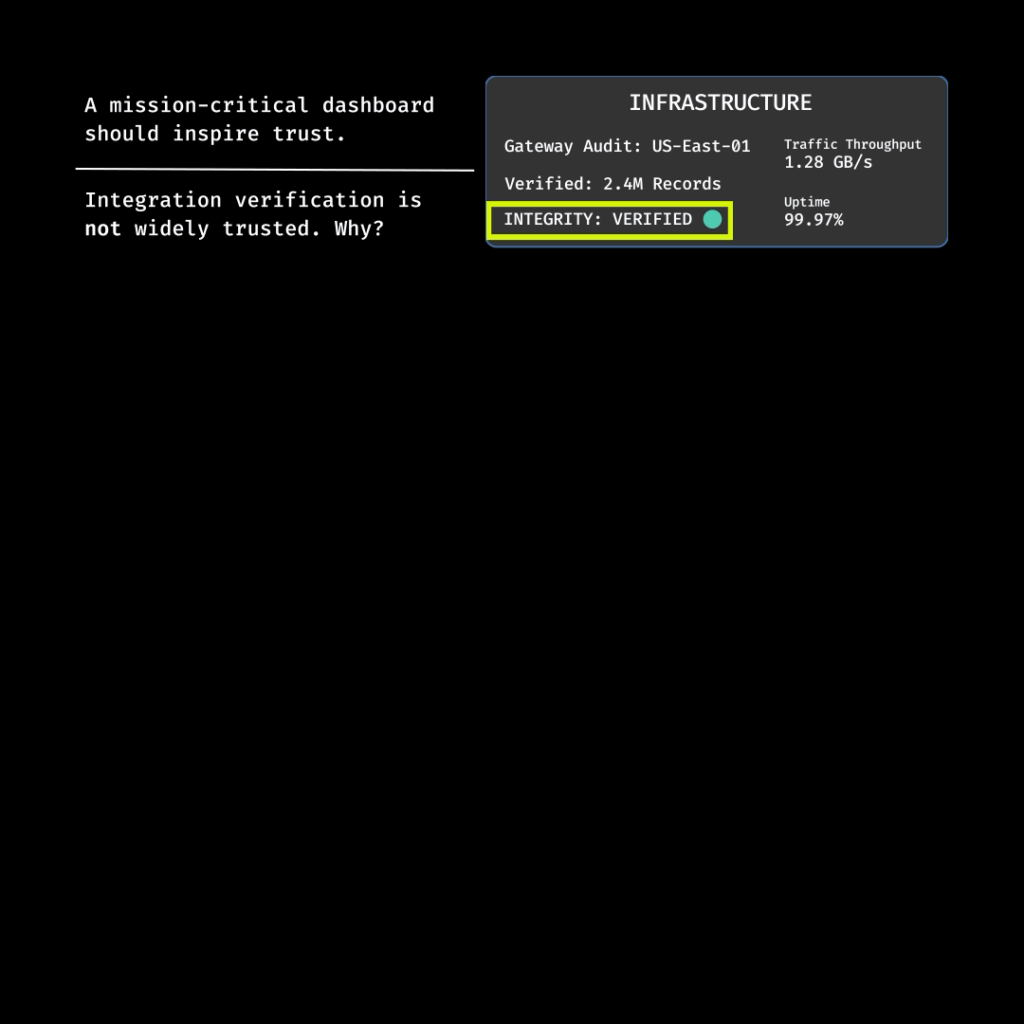
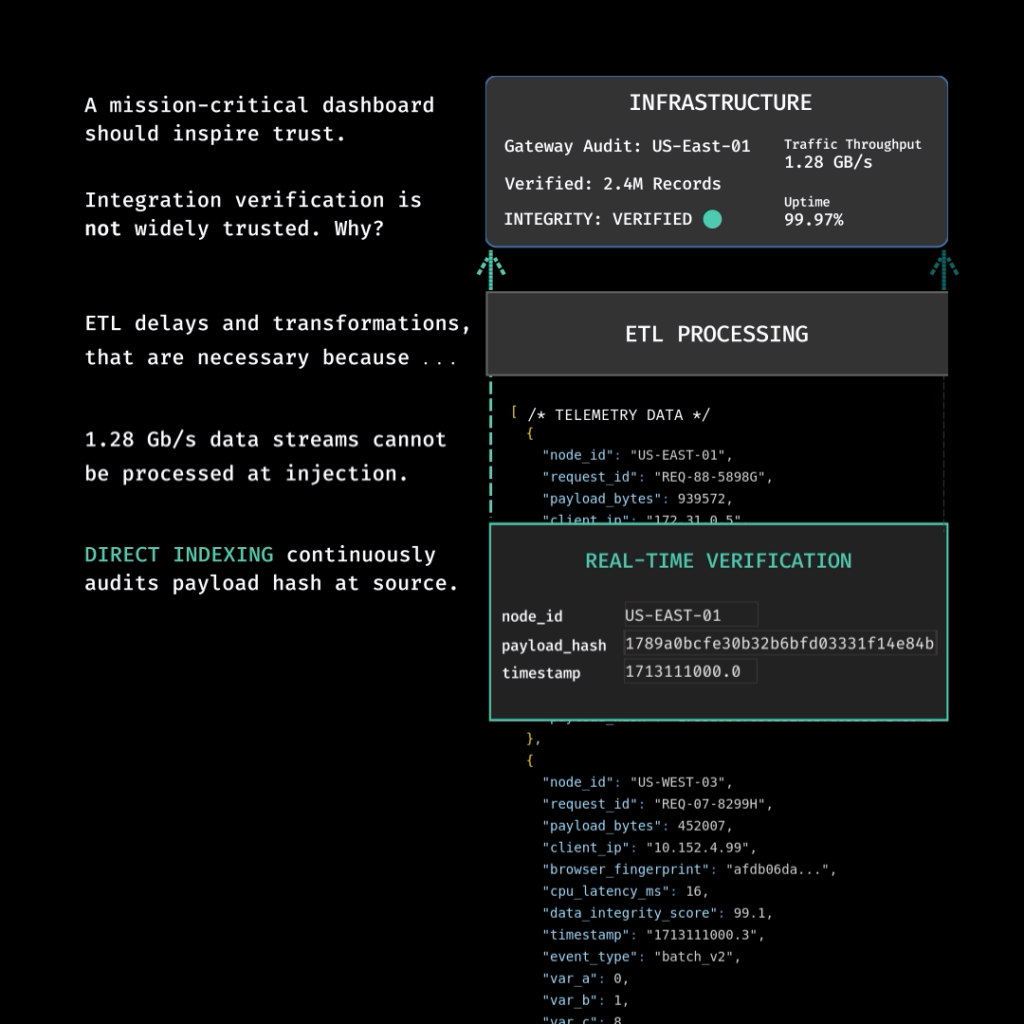
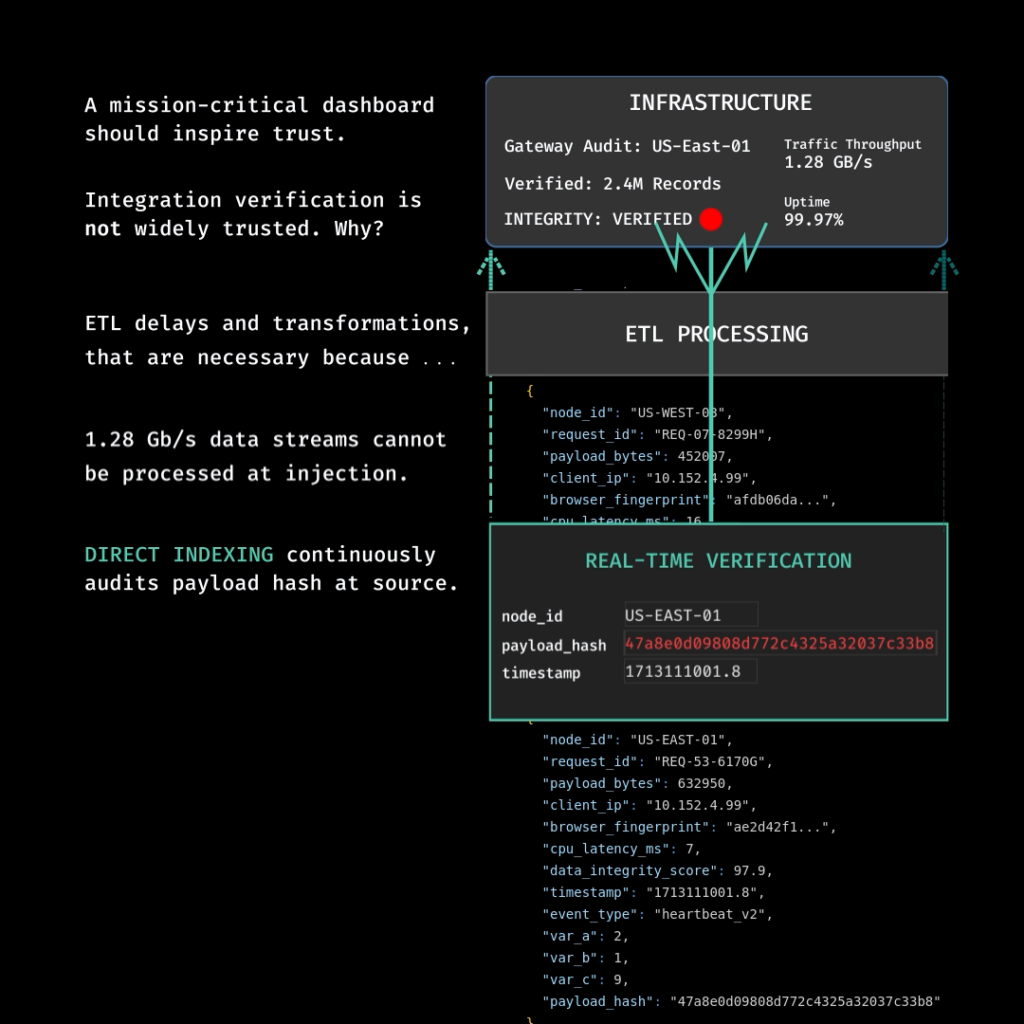
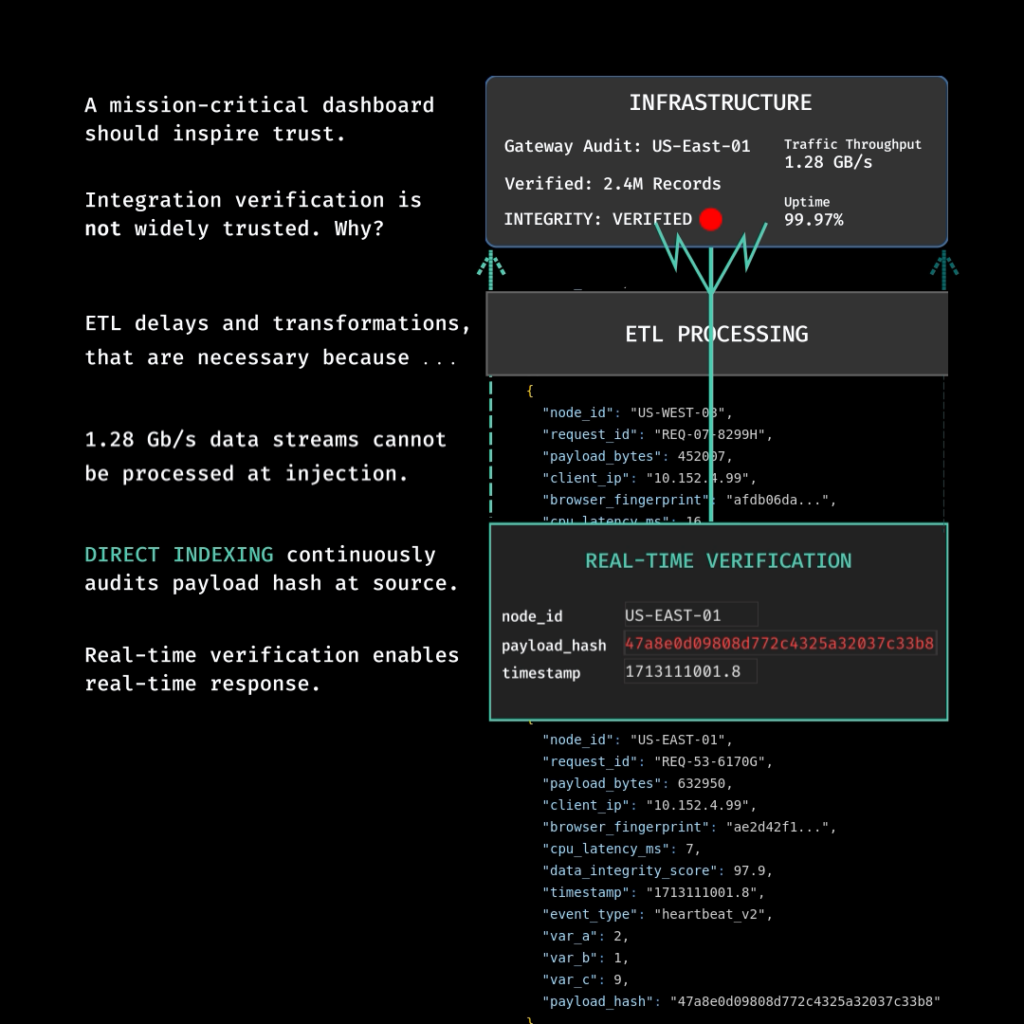
The 45-second video opens with a skeptical question, defines the problem, shows the solution step-by-step, in a realistic environment, and closes with one quiet sentence.
No narrator. No excitement. No ask until the very end. So a technical buyer will trust it enough to share it.
That’s the format. We call it a Point-of-Proof™ video.
What the data tells us about discovery calls
Gong Labs analyzed 800,000 recorded sales calls and found that sellers who use slides in discovery calls book 17% fewer follow-up meetings. They also ask 21% fewer questions and talk 15% more.
A short on-point video your buyer watches on their own time sidesteps all of that. [Source]
Got something that’s hard to explain to buyers?
Fill out this form. If there’s a good fit, here’s what you get:
A free written treatment — specific to your solution, no obligation
Storyboards and a finished video at cost.
A polished video your team will actually want to share. Or you don’t pay for it.
We’re looking for a small number of early partners. No call required to get started.
What makes a good Point-of-Proof video?
It’s the thing that always comes up on discovery calls. It sits close to the core of what makes your product different.
It’s visual. The part of the demo where prospects finally lean in. The reaction you’re going for: “Wait, I didn’t know it did that.”
It’s the thing nobody else does as well. Competitors have a version of it — but theirs doesn’t measure up.
What’s the thinking behind this prototype version?
The constraints of the format — no distractions, no time wasted, no marketing pizzazz — keep production costs low.
The editorial skills needed to make a video that is technically accurate and credible to a skeptical buyer are what makes a video stand out. But for a professional video producer that may only add up to a few hours work.
Here’s are some scene-by-scene notes:
The title card names the technical category and the specific claim being proved — so the viewer knows exactly what they're about to see.
Opening screen shows that this video addresses a vital issue for IT leaders.
Skeptical question signals that this is not a marketing video. And that it’s talking about an old problem that still nags IT.
Realistic scrolling JSON in a dark monitoring environment reads as a genuine technical setting. A technical buyer thinks "that looks like my stack."
The solution appears inside the existing environment — it doesn't replace the screen or cut to a new scene. It gets a name, and a job, but no fanfare.
Verification repeats on a different record. That repetition is doing quiet work — it shows this isn't a one-time event, it's a continuous process. A skeptical viewer notices that.
Here, a hash mismatch triggers an alert in real time. That’s the essential change — the point of proof.
One quiet sentence closes the argument. No oversell. The restraint adds credibility.
The CTA, if any, should be low-pressure — like this one for our Point-of-Proof video.